
Technology-based Reductions
This category covers a wide range of projects that aim to reduce and avoid emissions versus business as usual. Examples include: natural gas leak repairs, destruction of refrigerants that would otherwise be vented to the atmosphere, and capture of methane emitted from landfills.

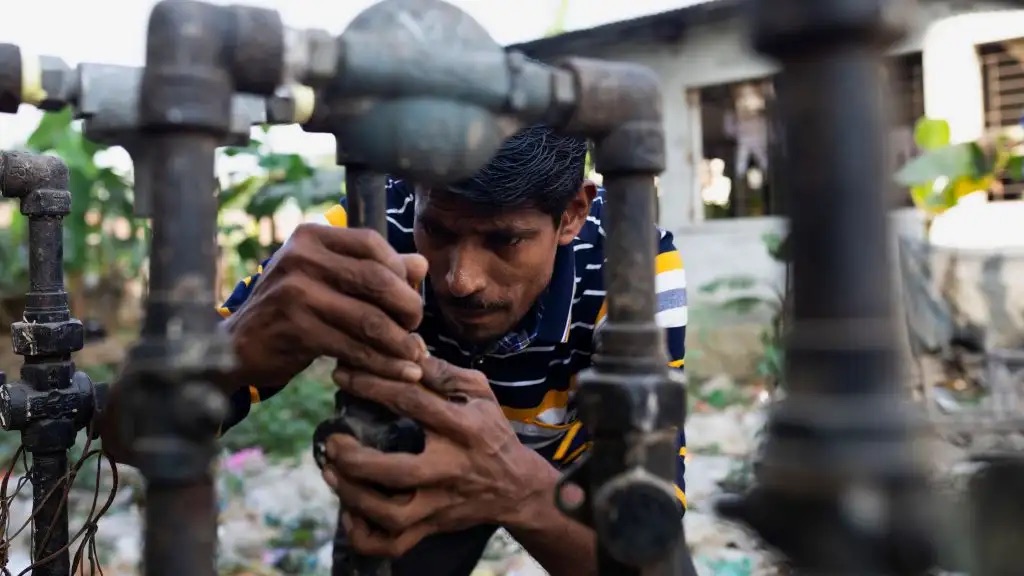
This project reduces natural gas leaks from a gas distribution network in Bangladesh through the use of an advanced leak detection and repair program that would not be feasible without carbon credit revenue.

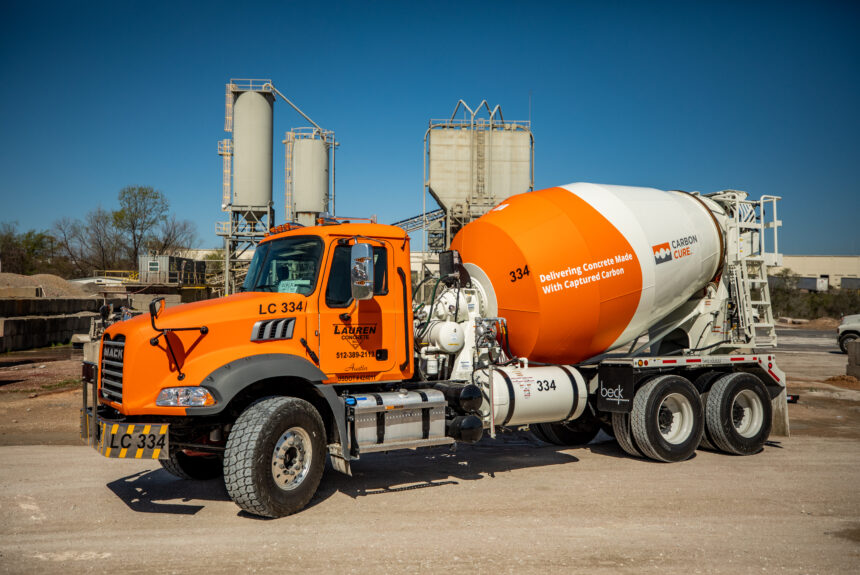
This project captures waste CO2 and injects it into concrete during manufacturing, permanently mineralizing the CO2 while simultaneously reducing Portland cement usage. The dual approach both removes CO2 from the atmosphere through permanent sequestration and reduces emissions from cement production.

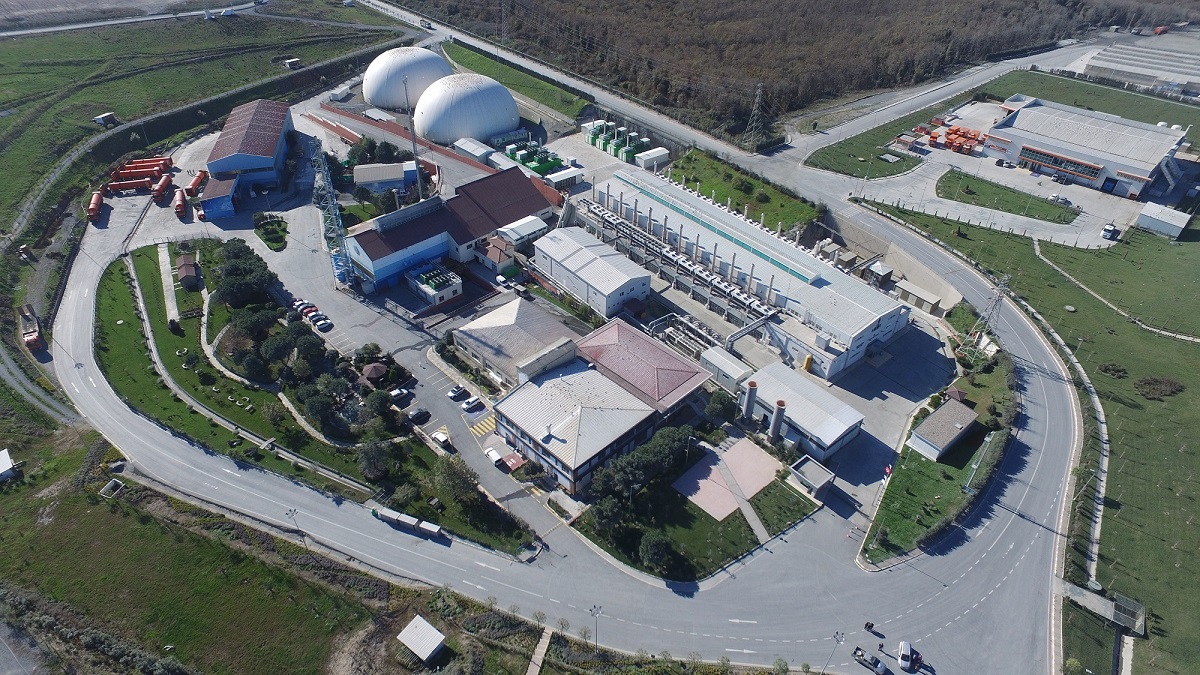
This project collects landfill gas to generate more than 42MW of electricity at two landfills near Istanbul, Turkey, avoiding the emission of methane (a potent greenhouse gas) into the atmosphere and using the methane to generate power and displace dirtier power in the electric grid.

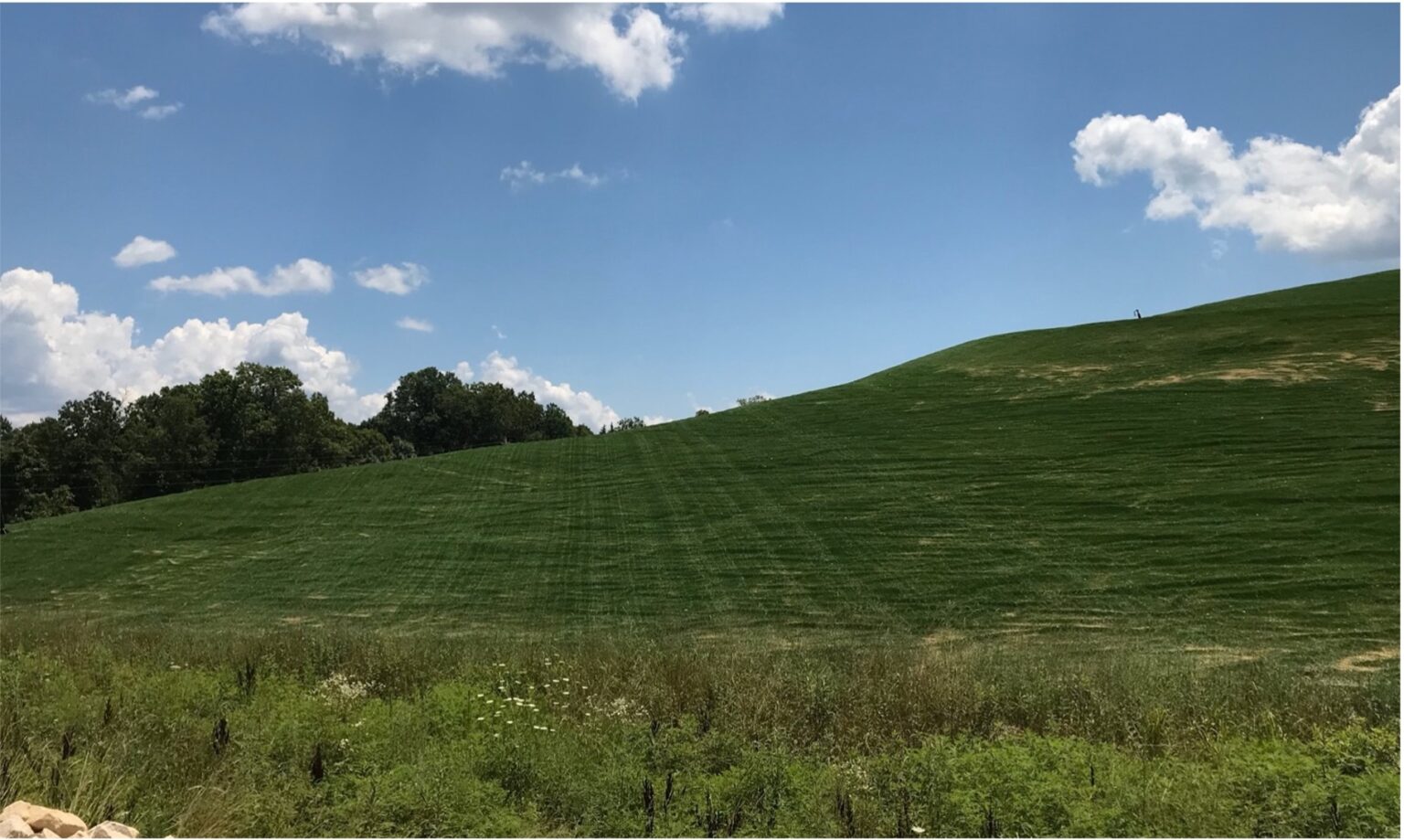
The Trinity Landfill Gas Project captures landfill gas that would, under normal circumstances, be emitted to the atmosphere.
Nature-based Reductions
This category typically consists of nature-based projects that help retain an existing source of natural carbon storage that would otherwise be at risk — for example, rainforests that would be cut down for development or peat bogs that might be drained for agriculture.
.jpg)
This is an improved forest management project that works with local landowners in Louisiana and Mississippi to protect their forests.
Technology-based Removals
This is a highly diverse category of projects that includes cutting-edge engineered solutions that hold significant promise but are not yet available at scale. Examples include direct air capture technology and storage of carbon through enhanced rock weathering.

The project removes carbon from the atmosphere by burying fire-damaged wood in engineered underground chambers designed to prevent decomposition for over 100 years