
Technology-based Reductions
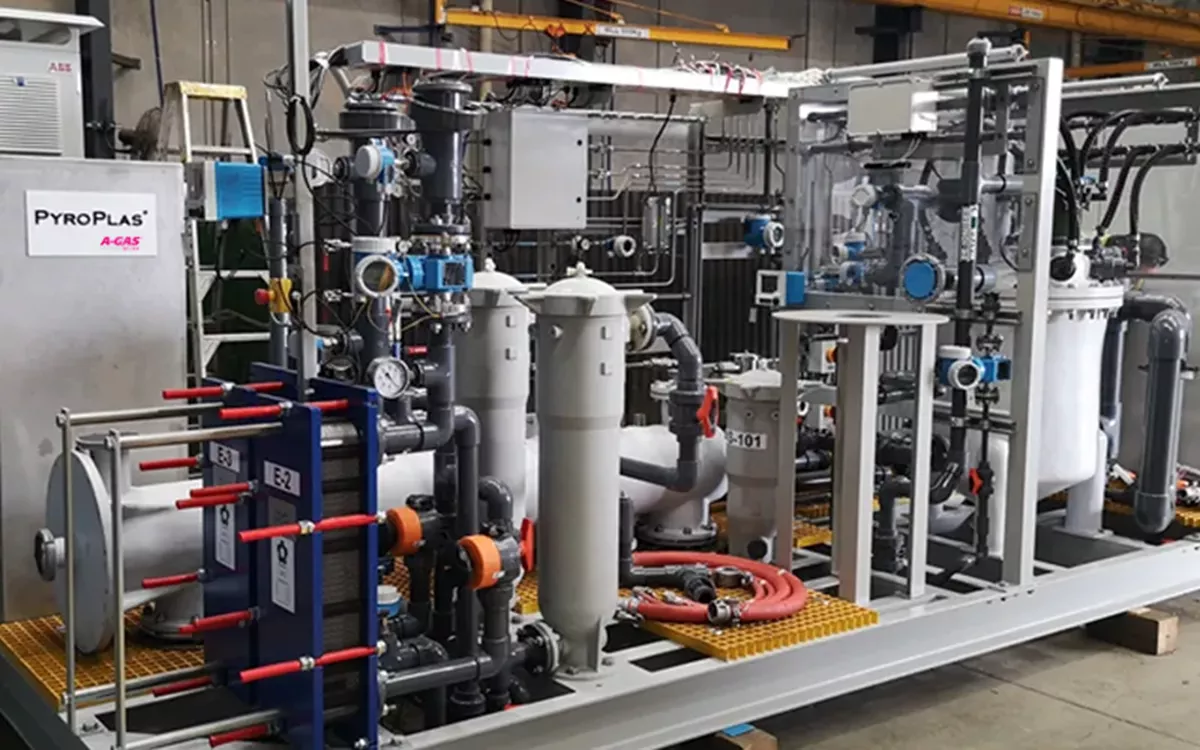
This category covers a wide range of projects that aim to reduce and avoid emissions versus business as usual. Examples include: natural gas leak repairs, destruction of refrigerants that would otherwise be vented to the atmosphere, and capture of methane emitted from landfills.

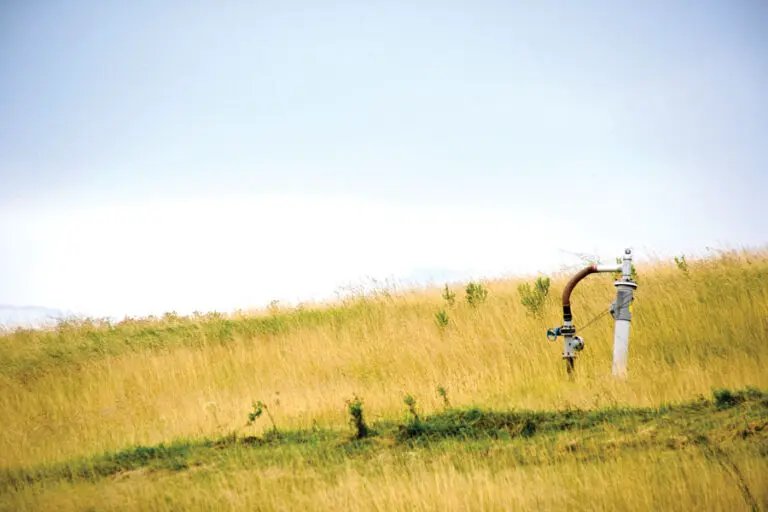
This project collects landfill gas at a municipal landfill near the city of Fortaleza in Brazil. It avoids the emission of methane (a potent greenhouse gas) into the atmosphere and displaces natural gas in the distribution grid.

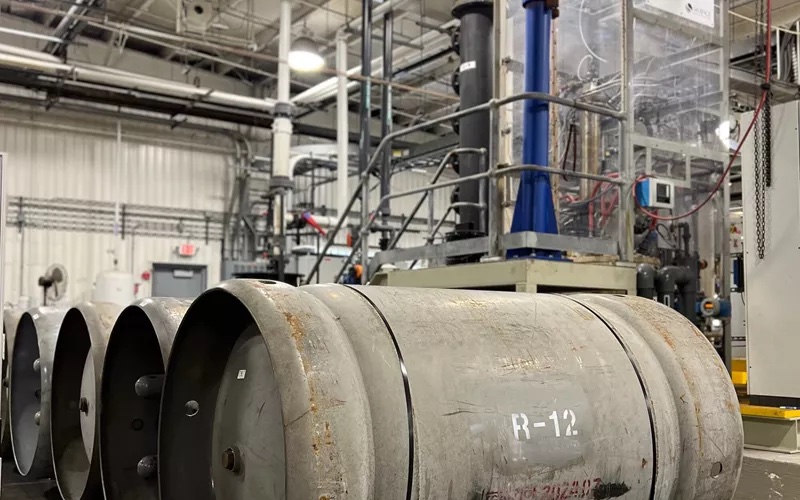
This project transports harmful ozone depleting substances into the United States where it permanently destroys them.

This project destroys CFCs obtained from sources across South Korea and transported to Bowling Green, Ohio for destruction, starting November 2022. The project has high additionality because ODS destruction is not required within Korea and is not financially attractive without carbon revenue.

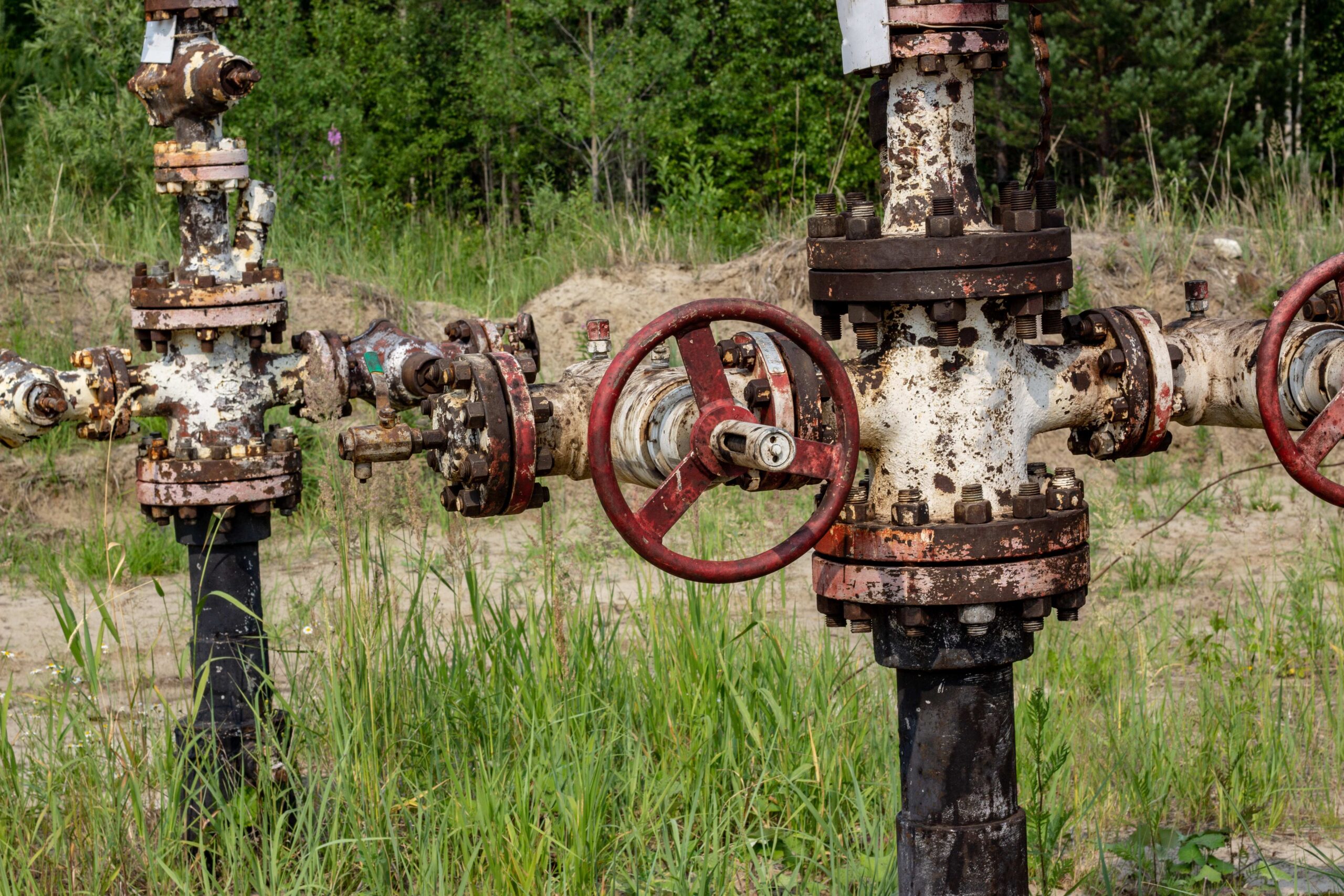
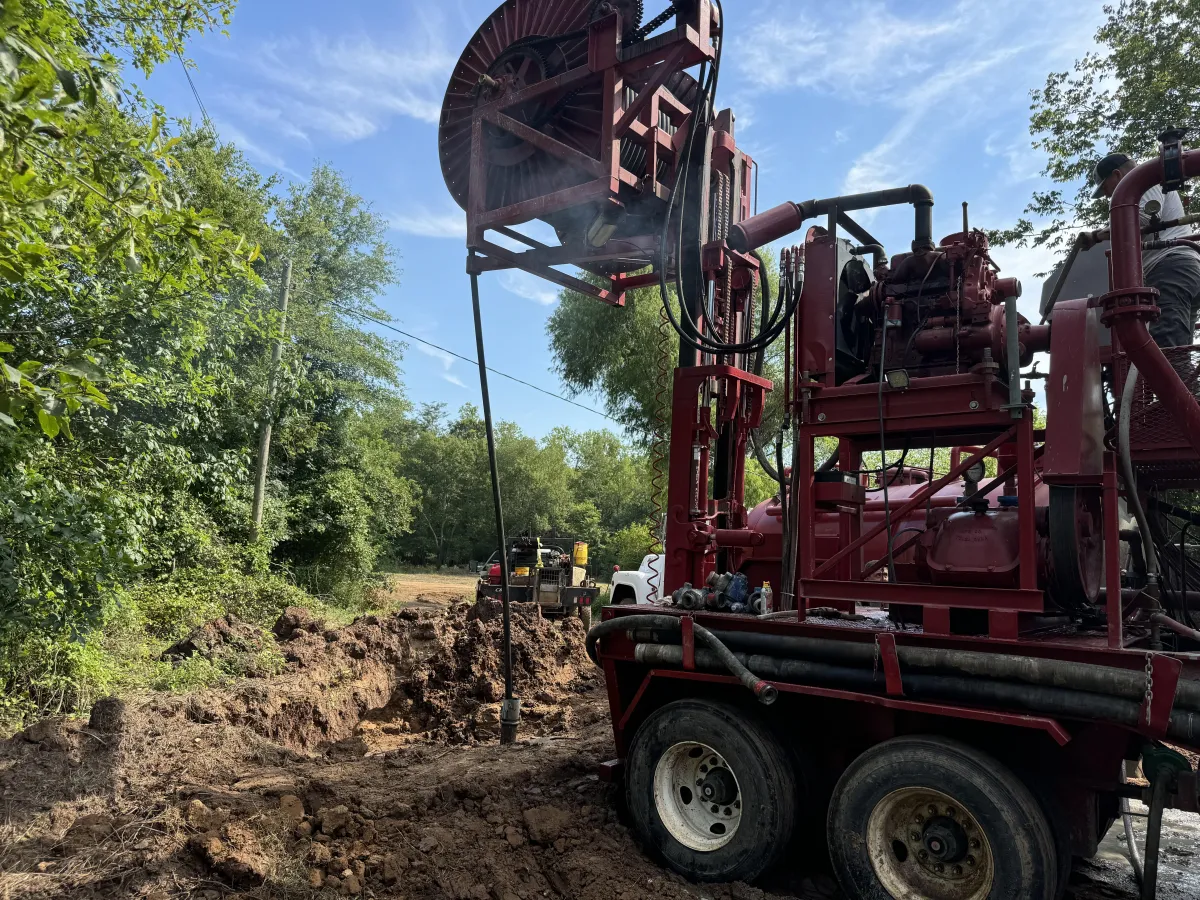
The Heartland Methane Abatement project plugged six orphaned oil wells in Oklahoma that were emitting methane and lacked any viable financial or regulatory path to be capped without carbon credit revenue.

Located at a municipal landfill in Lebanon, Pennsylvania, The Greater Lebanon Refuse Authority Landfill Gas Collection and Combustion Project captures landfill gas that would, under normal circumstances, be emitted to the atmosphere.

The Clinton Landfill Gas Collection and Combustion Project captures landfill gas that would, under normal circumstances, be emitted to the atmosphere.

The Trinity Landfill Gas Project captures landfill gas that would, under normal circumstances, be emitted to the atmosphere.
Nature-based Reductions
This category typically consists of nature-based projects that help retain an existing source of natural carbon storage that would otherwise be at risk — for example, rainforests that would be cut down for development or peat bogs that might be drained for agriculture.

A relatively small North American forestry project, Kootznoowoo protects 20,159 acres of forest across four areas on Prince of Wales Island, Alaska.

The Darkwoods project preserves 54,870 hectares of commercial timberland near Creston, British Columbia, creating climate, community, and biodiversity benefits through permanent ecological conservation.
.jpg)
This is an improved forest management project that works with local landowners in Louisiana and Mississippi to protect their forests.
Nature-based Removals
This category typically consists of nature-based projects that remove existing carbon and store it in new plants, trees, or soil — for example, planting trees in an area that has previously been clear cut or restoring plant life to tidal wetlands.

This improved forest management project, which is located on native land called an Ejido in Veracruz Mexico, enables an indigenous community to manage their forests more sustainably to remove carbon from the atmopshere while earning income.

An Improved Forest Management project that combines regeneration practices, reforestation efforts, and silvicultural treatments to enhance forest sustainability and ecosystem integrity, all monitored under FSC guidelines.